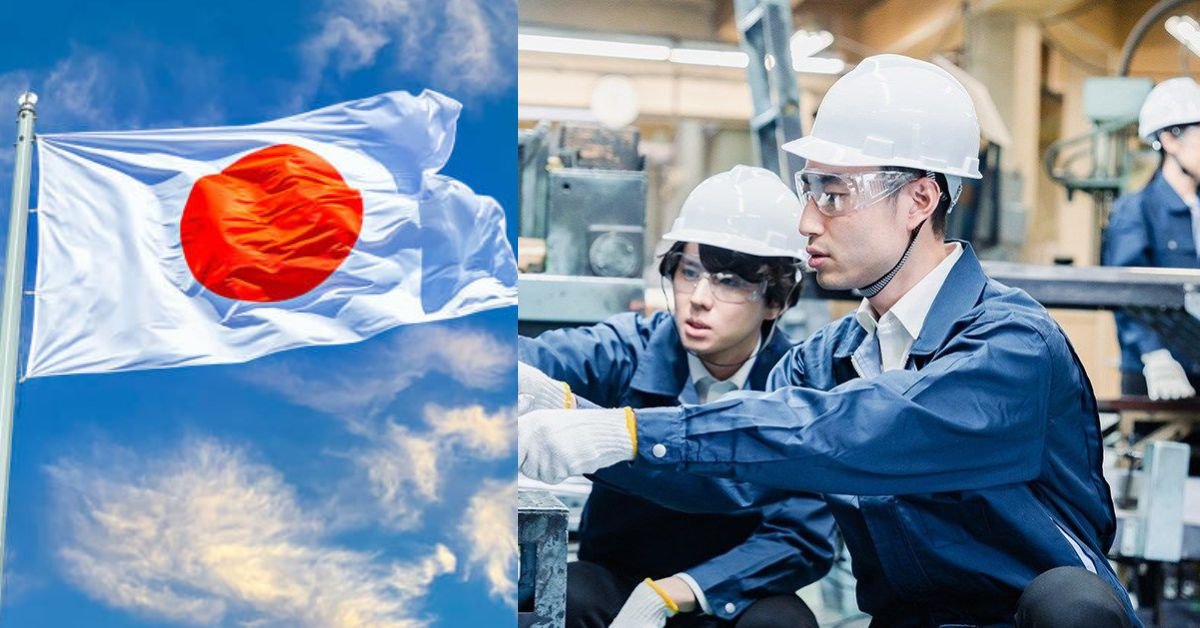
Japan Work Visa Application & Hiring Process 2025
Having a dream of becoming a professional in the country of rising sun? With the labor-historic low levels of labor shortages in Japan, the government has increased its immigration channels significantly towards 2025. Be it a software engineer, a marketing expert or a health care expert, the trick to a successful transition is in learning the process of the Japan work visa application and employment.
Categories of Core Japan Work Visa (Updates 2025)
There is no such thing as a general work visa in Japan. Rather, the visas are issued, depending on certain professionalism. The first and most important thing is to select the right Status of Residence.
Humanities / Specialist / Engineer / Specialist in International Services.
This is the typical one among the white-collar professionals. It is an IT, Engineering, Marketing, Accounting and Language Teaching position.
Highly trained professional (HSP)
A visa system that rewards the best international talent. You will be eligible to obtain priority processing and a short cut to Permanent Residency within a time span of 1 to 3 years should you score 70 points or more (age, salary and education).
Specified Skilled Worker (SSW)
On the industrial job like Nursing, Agriculture, Construction or food service.
- Change: By April 2025 Japan has made broadened the SSW quota, intensified the employer duty to accommodate SSW holders in Japan, in order to achieved so-called multicultural coexistence.
- Specification: Should take a technical skills test and a JLPT N4 or JFT-Basic language test.
J-Skip (Special Highly Skilled Professional)
Introduced on an invitation-only basis to the whole group of elites and managers, this 2025 pathway permits the more highly compensated (¥20M+ annually) with high degrees to forgo the points system entirely in their move to an even more rapid relocation.
The Process of Hiring in Japan The Application to “Naitei.”
Japanese hiring culture is special and is highly entrenched in consensus. The Japanese process is usually 2-4 months as opposed to the fast hiring in the West.
The Japanese Resume (Rirekisho & Shokumu Keirekisho)
When it comes to the foreigners, a two-version of the CV is usually needed:
- Rirekisho: A typical, chronological history of your education and background.
- Shokumu Keirekisho: A detailed work that is dedicated to particular projects, technical expertise, and professional success.
Multi-stage cultural fit Interviews
Anticipate three interview sessions.
- First Answer: Recruiter or HR.
- Technical Round: Manager of the department.
- Finally Interview: It is with the Shacho (President) or senior executives to determine how committed to your long-term tenure and how well you fit into the culture.
Receiving the “Naitei”
The Naitei can be defined as a formal job proposal of legal importance. When you sign this the company will commence officially as your Visa Sponsor.
The Visa Journey COE-Landing
The most disorienting aspect to a number of people is the Certificate of Eligibility (COE). Without such a document being passed within Japan you cannot apply to an embassy to get a work visa.
- Sponsorship: The Japanese employer makes an application of COE to the Immigration Services Agency inside Japan.
- Processing (13 Months): Immigration checks the stability and credentials of the company.
- COE Issuance Digital: By 2025, the majority of the COEs are issued electronically. The digital file will be mailed to you by your employer.
- Embassy Application (510 Days): Visit your local Japanese Embassy or VFS Global center with your COE. The visa stamp is normally granted within a week.
- Landing & Residence Card: When you first come to major airports (Narita, Haneda, Kansai), you will be given your Zairyu Card (Residence Card) right away.
FAQs
-
Is it possible to acquire a work visa with no degree?
Though the accepted degree qualification is a Bachelor degree, you can be eligible in case you have 10 years of provable experience in your area of practice. In the case of SSW visa, one is not required to hold a degree provided that he or she passes the skills exams.
-
Should I be talking Japanese in order to be given a visa?
In most Specialist in Humanities or Engineer jobs, the ability to speak Japanese is not even required to obtain the visa, but the job itself. A language test is only required in the SSW visa.
-
Is it possible to switch employers in the future?
Yes, however, your new employment should be placed in the same visa. In case you are an “Engineer” and transfer to a different position of an “Engineer” you merely inform immigration. In case you switch industry (e.g. Teaching to IT), you have to seek a Change of Status of Residence.
Final Thoughts
The process of hiring and Japan work visa application is a patience test. Nonetheless, due to the 2025 updates, which allow now digital processing to be faster and quotas to be greater, now is the best time to make the transition. Make sure that your degree exactly fits the job description because the Japanese are so strict when it comes to verticality between schooling and work.
Disclosure
The current article is informative and educational. The potential readers are encouraged to fact-check the information about the official sites, including the Japanese Ministry of Foreign Affairs (MOFA) or licensed immigration expert, and then proceed to make a career or relocation choice.